
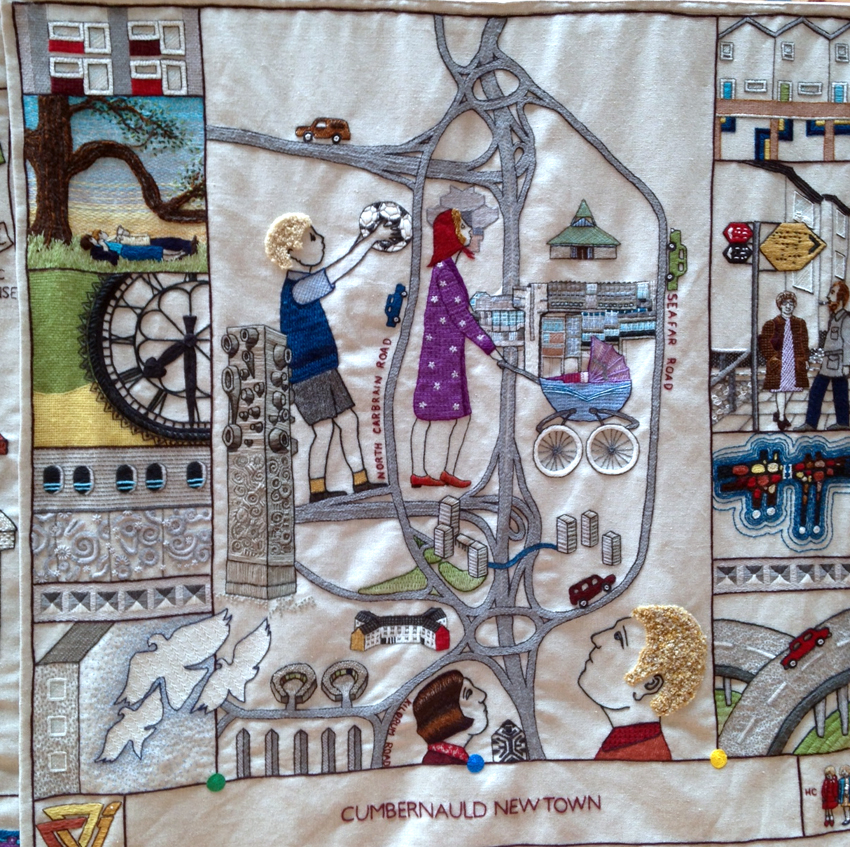
Panel 140: Cumbernauld
Well, this is my final post on the Great Tapestry of Scotland! I have really enjoyed revisiting my photographs, and thinking more about the tapestry, and your comments have also provided much food for thought. These photographs are, of course only snippets, and you’ll find much more thorough information in the two books I mentioned in my first post about the project. But honestly, no books or photographs can reproduce the experience of seeing this incredible thing for yourself and, if you ever have the opportunity, I really recommend you do so!
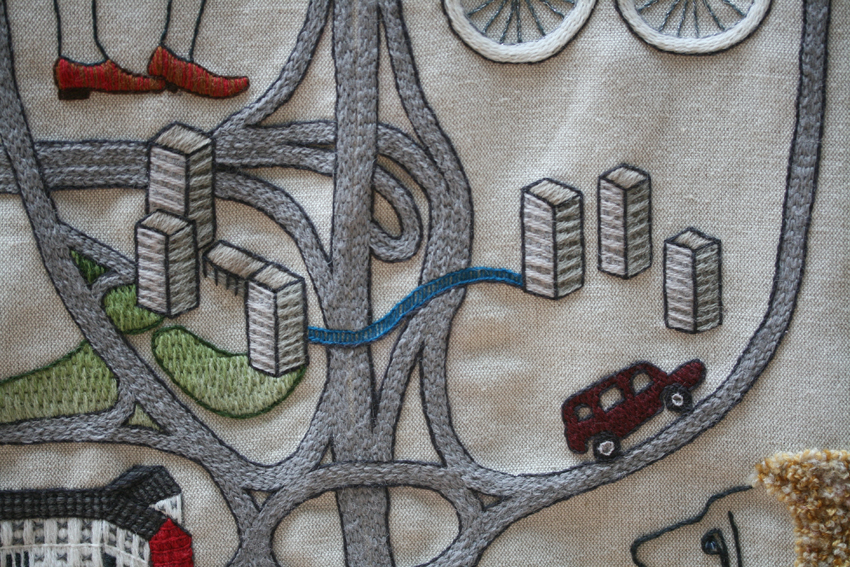
Detail of Panel 140: Cumbernauld
I can’t say I have a favourite panel, though I do love Fairisle (126) the Isbister Sisters (115) and the Hutton panel (74) but as I went through my photos this morning, I found myself thinking about how much I loved the Cumbernauld panel (140) and how it seemed to sum up for me what this project is all about.
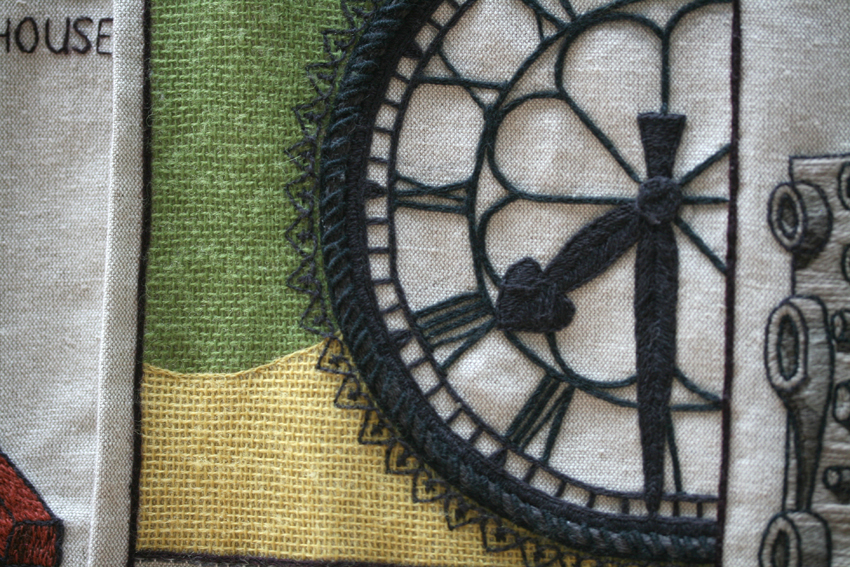
Detail of Panel 140: Cumbernauld
Like many panels, this one celebrates the texture of ordinary people’s lives, and the ordinary spaces in which they live them. Andrew Crummy’s design – with the new town’s familiar roads and architecture – is incredibly witty and creative, and just like his Pictish or his Georgian panels, the style of the design has shifted in an inventive fashion here to suit the moment it represents. Cumbernauld’s local reputation is not unambiguous, but in this panel the urban environment appears beautiful and utopian simply because it is an everyday space of homes, and folk, and families. My favourite scene from Gregory’s Girl is referenced in the top left, and perhaps one of the reasons I like this panel so much is that so much of what it represents seems familiar to me from my own childhood and youth. Finally, the stitching on the panel is absolutely exquisite, and because of this the whole piece absolutely sings. Last Sunday, I spent some time admiring this panel, and I then read the information board which told me that just two Cumbernauld women had worked on the stitching, Elizabeth Boulton and Helen Conley. Conley and Boulton had depicted themselves as children in their signature at the bottom right of the panel, in a scene that seemed to be taken from an old photograph of the pair. I was suddenly struck by the sheer power of the Great Tapestry project – that these two childhood friends were quite literally making history, and with their needles stitching themselves into the story of their home, their town, their nation. What a wonderful thing to do.
So, some final highlights.

Panel 125: The General Strike stitched by June McEwan, Karen Philpot and Gil Tulloch in Pitlochry
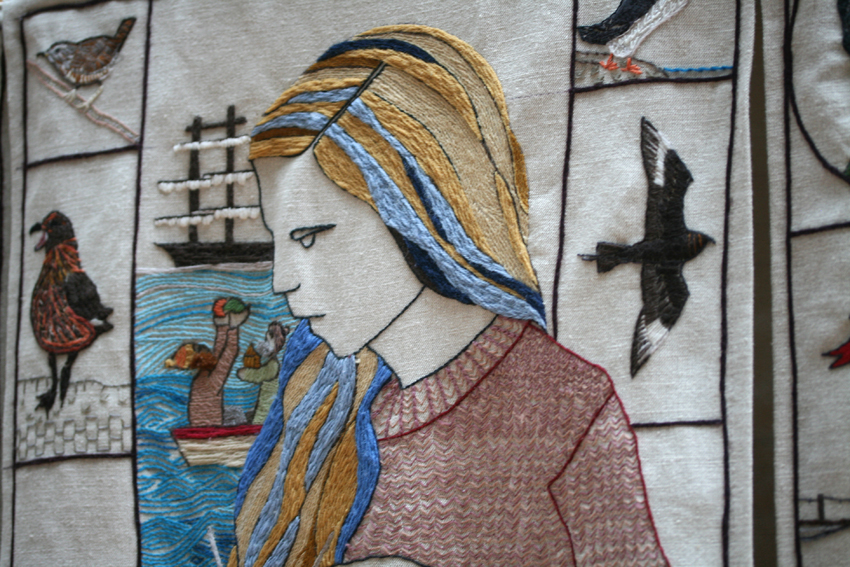


Panel 126: Fair Isle Love this panel inordinately.
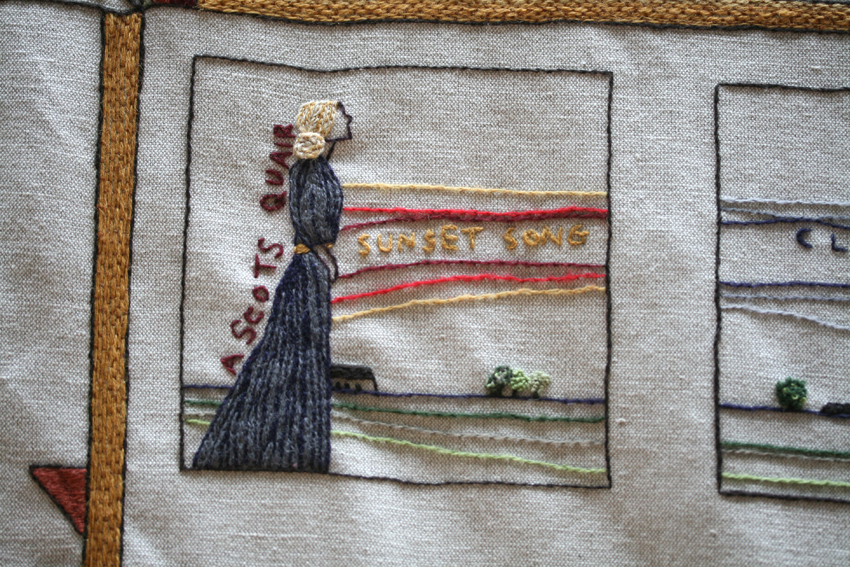
Panel 129: The Great Depression The lone figure of Chris Guthrie defines the 1930s
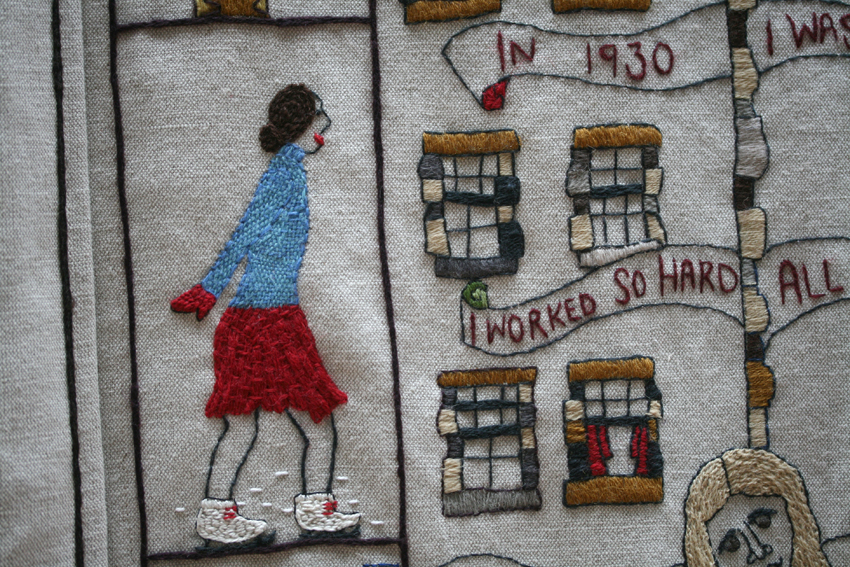
Panel 130: Tenement Life I loved everything about this wonderfully vibrant celebration of Scotland’s tenement communities


Panel 132: The Clydebank Blitz I found this panel deeply affecting
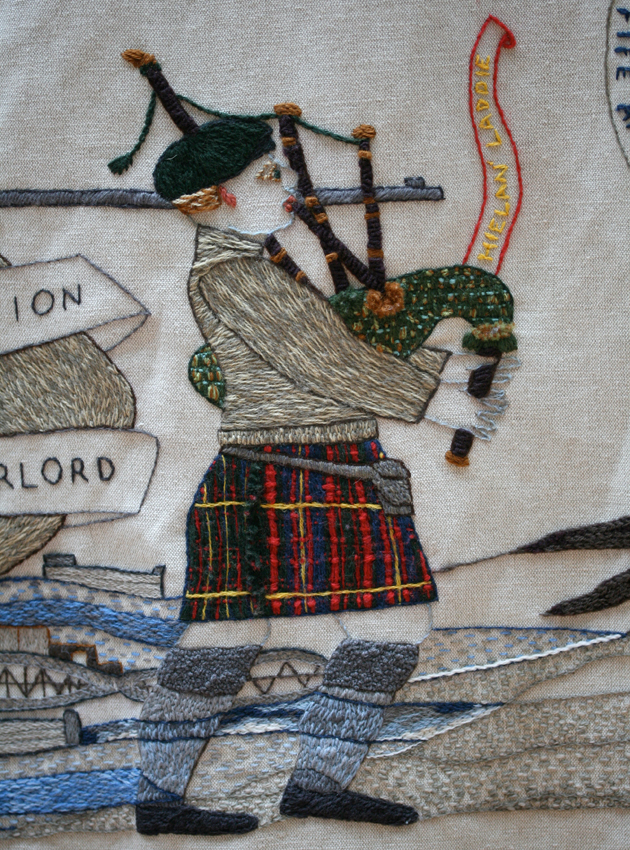
Panel 134: D-Day, 1944 Bill Millin defiantly pipes through the Normandy landings
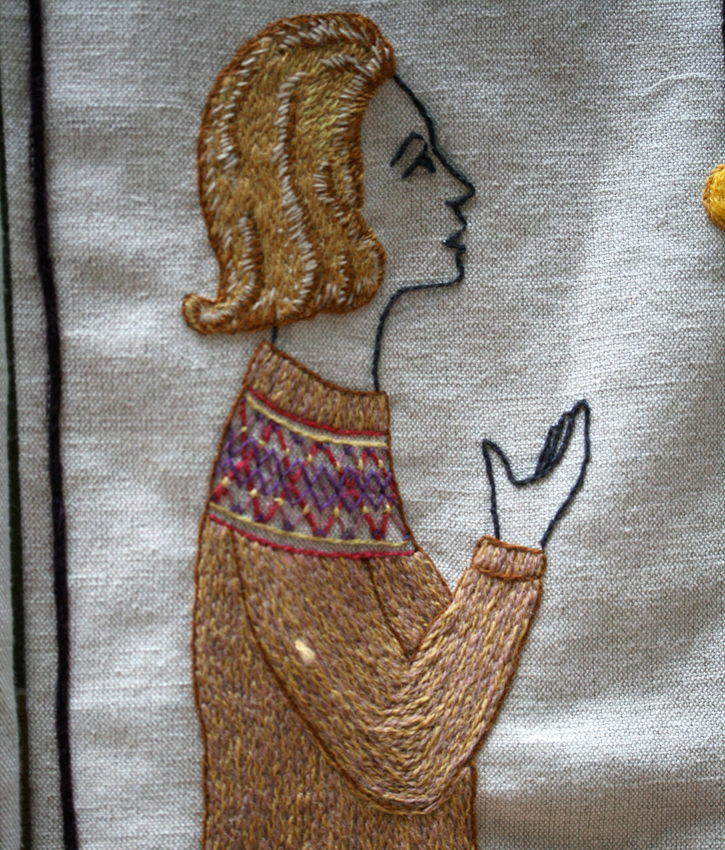

Panel 143: Linwood and the Hillman Imp I was particularly pleased to see a yoked jumper, appropriately appearing here in its early 1960s heyday!
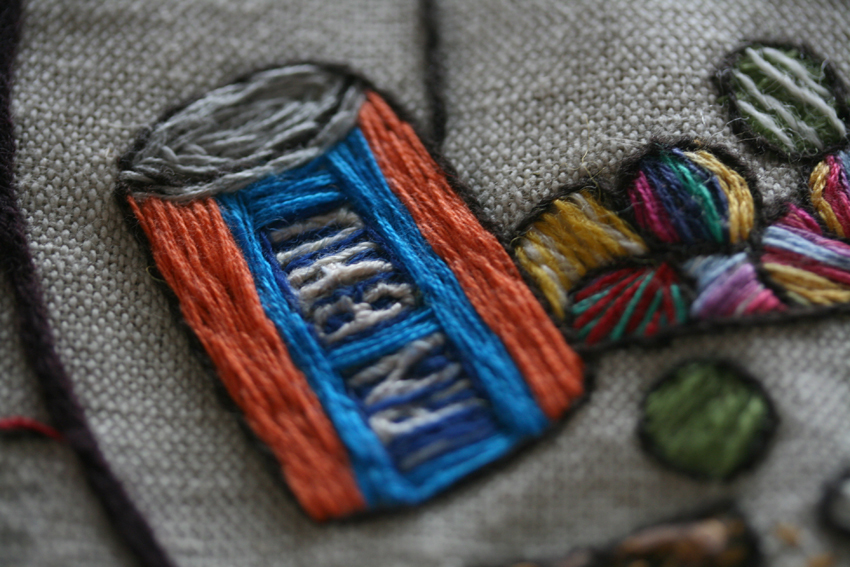
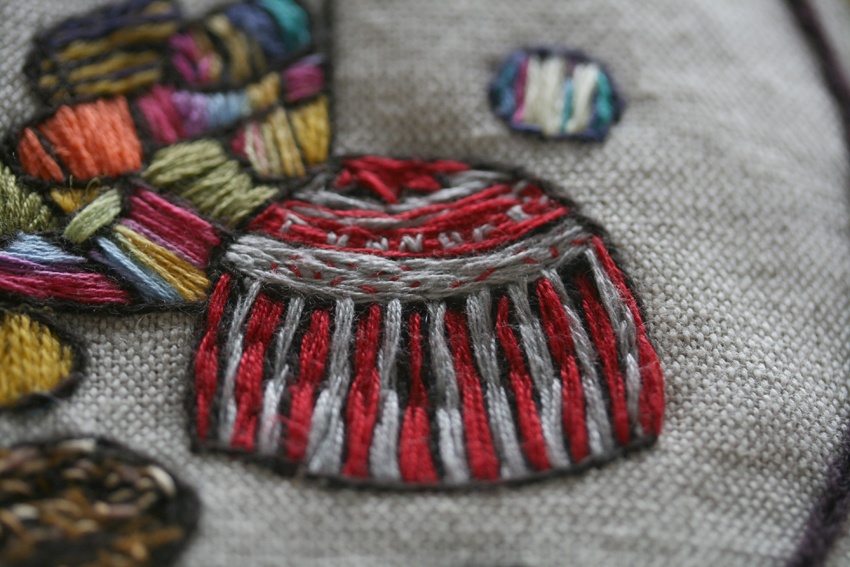
Panel 148: The rise of the SNP It amused me that Irn Bru and Tunnocks Tea Cakes appeared in this panel as 1970s nationalist icons.
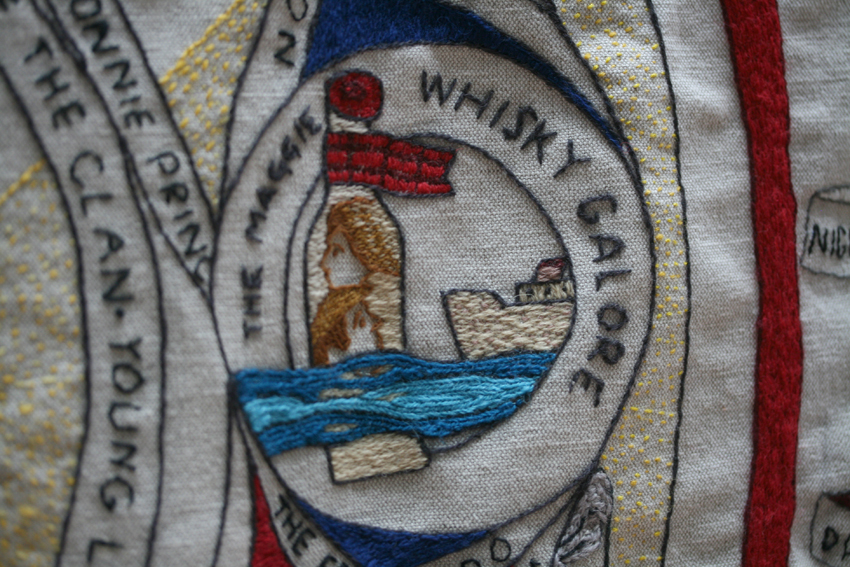
Panel 149: Scotland at the Movies. Whisky Galore! “No son of mine will be eating human flesh.”
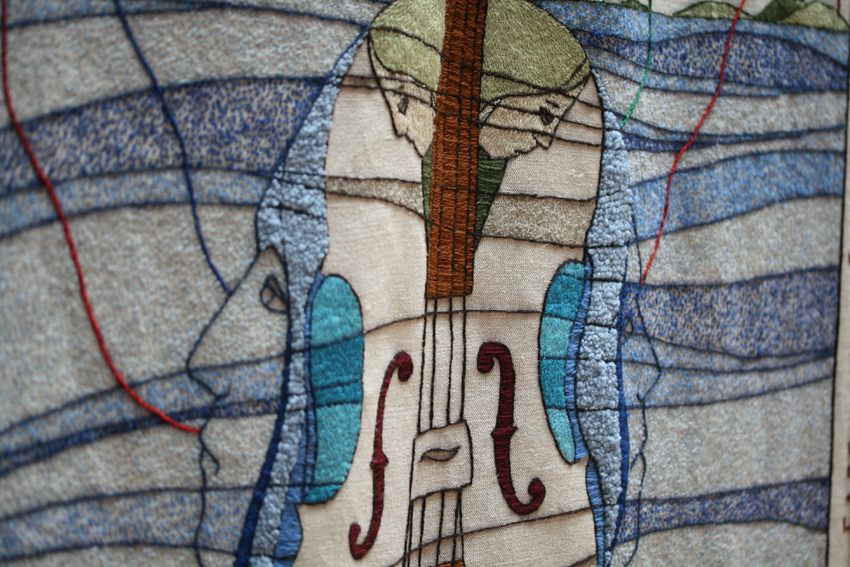
Panel 152: Gaelic Resurgent stitched by Christine Haynes and Pauline Elwell
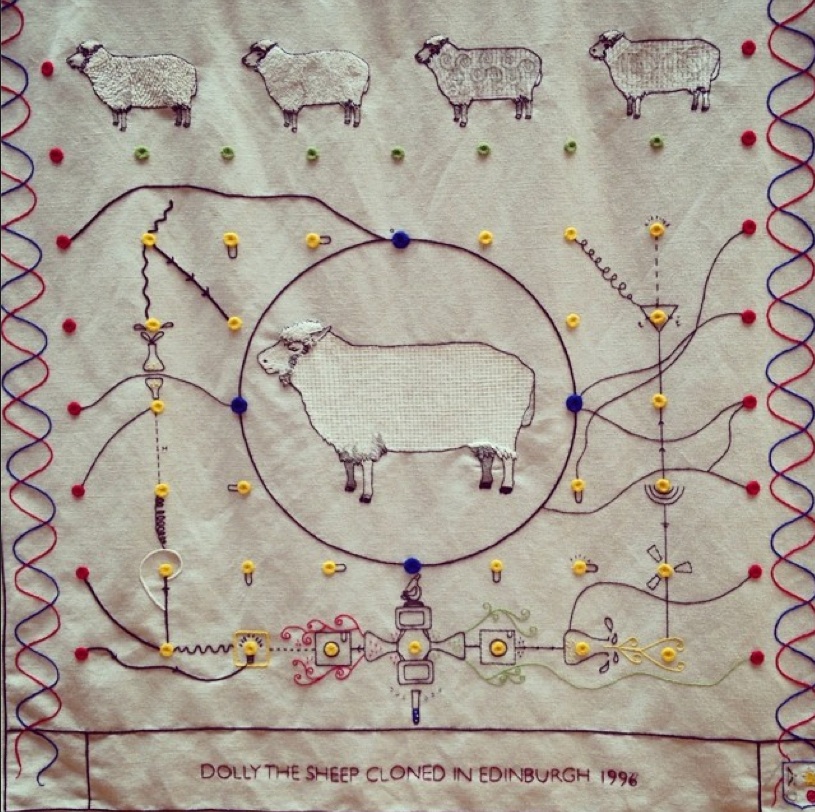
Panel 154: Dolly the Sheep Tom’s favourite panel, for its inventive depiction of science in stitch.
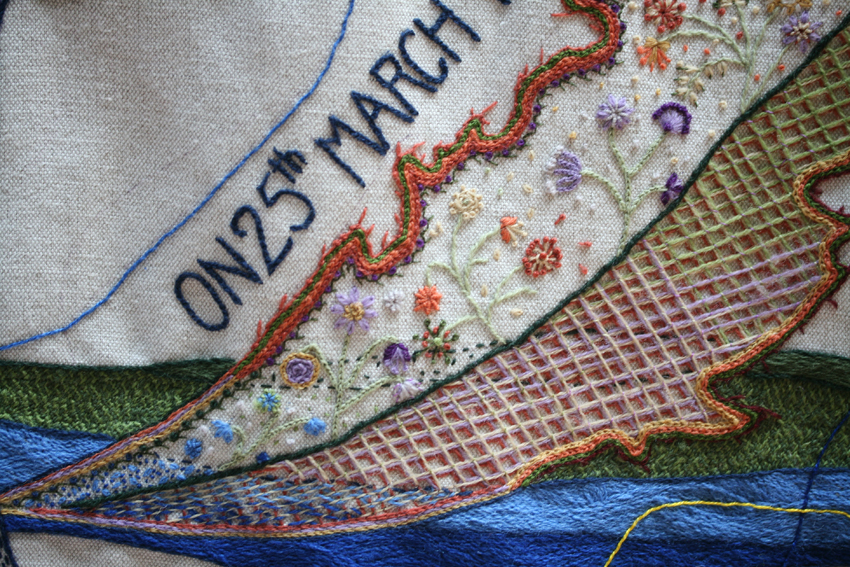
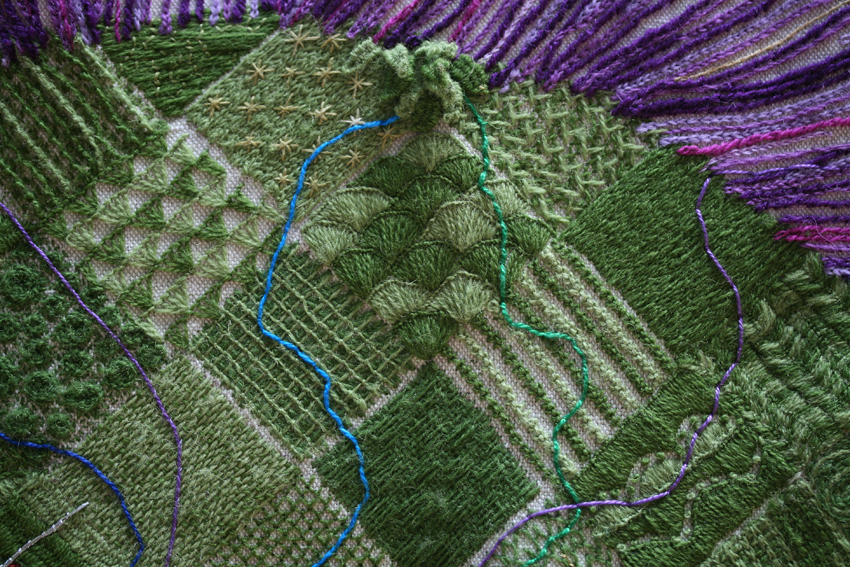
Panel 155: The Scottish Parliament reconvenes, 1999. Incredibly beautiful stitching on this panel
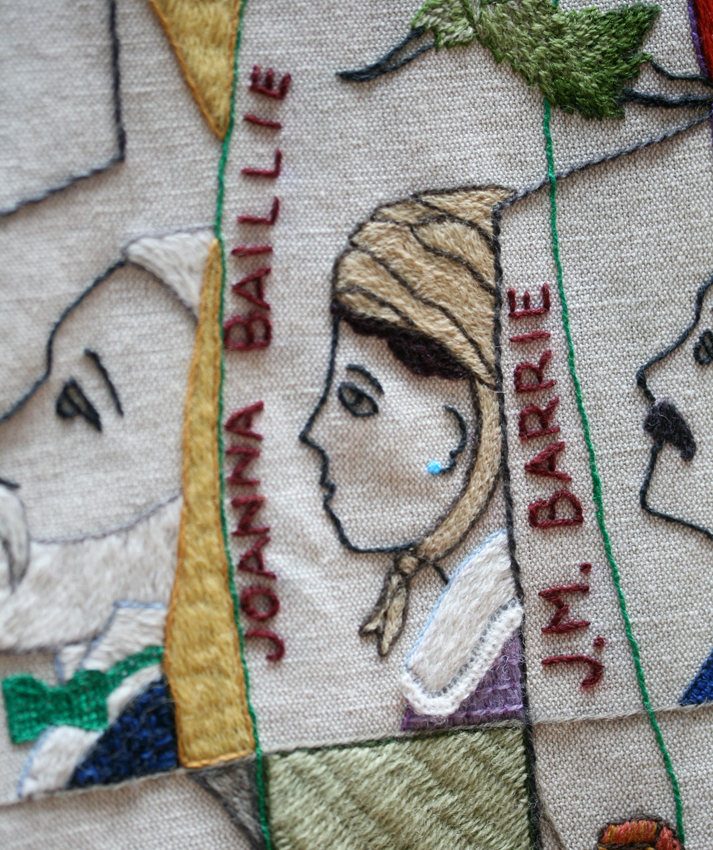
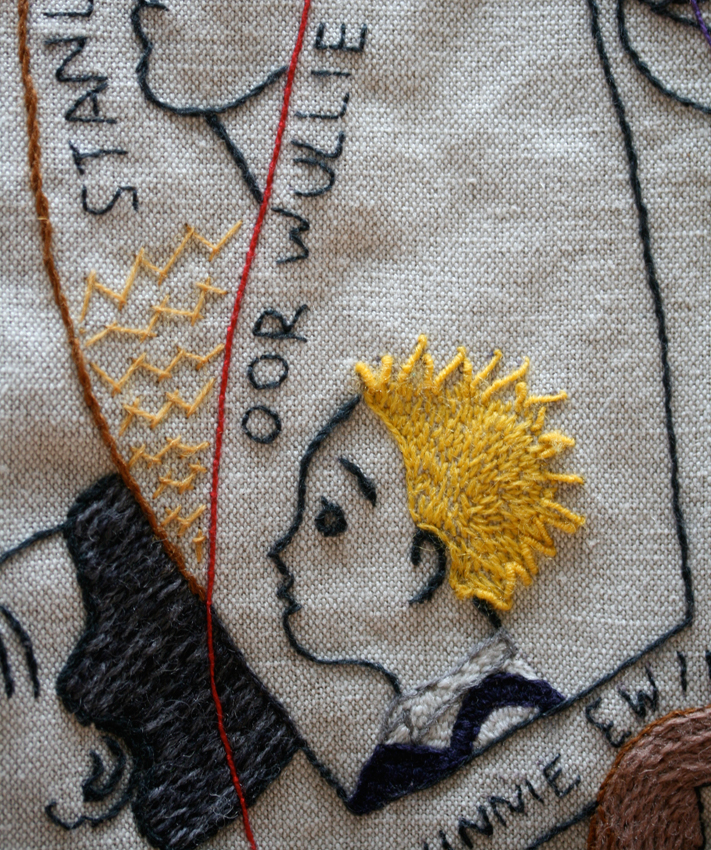
Panels 156 and 157: Parliament of the Ancestors, Parliament for the Future An appropriately vast and varied tapestry of Scottish identities, from Joanna Baillie to Oor Wullie.
Thanks for bearing with me through this photographic tour! And if you’d like to see all of my posts about the Great Scottish Tapestry together, you can do so here.


Leave a Reply to Barb-E Designs Cancel reply