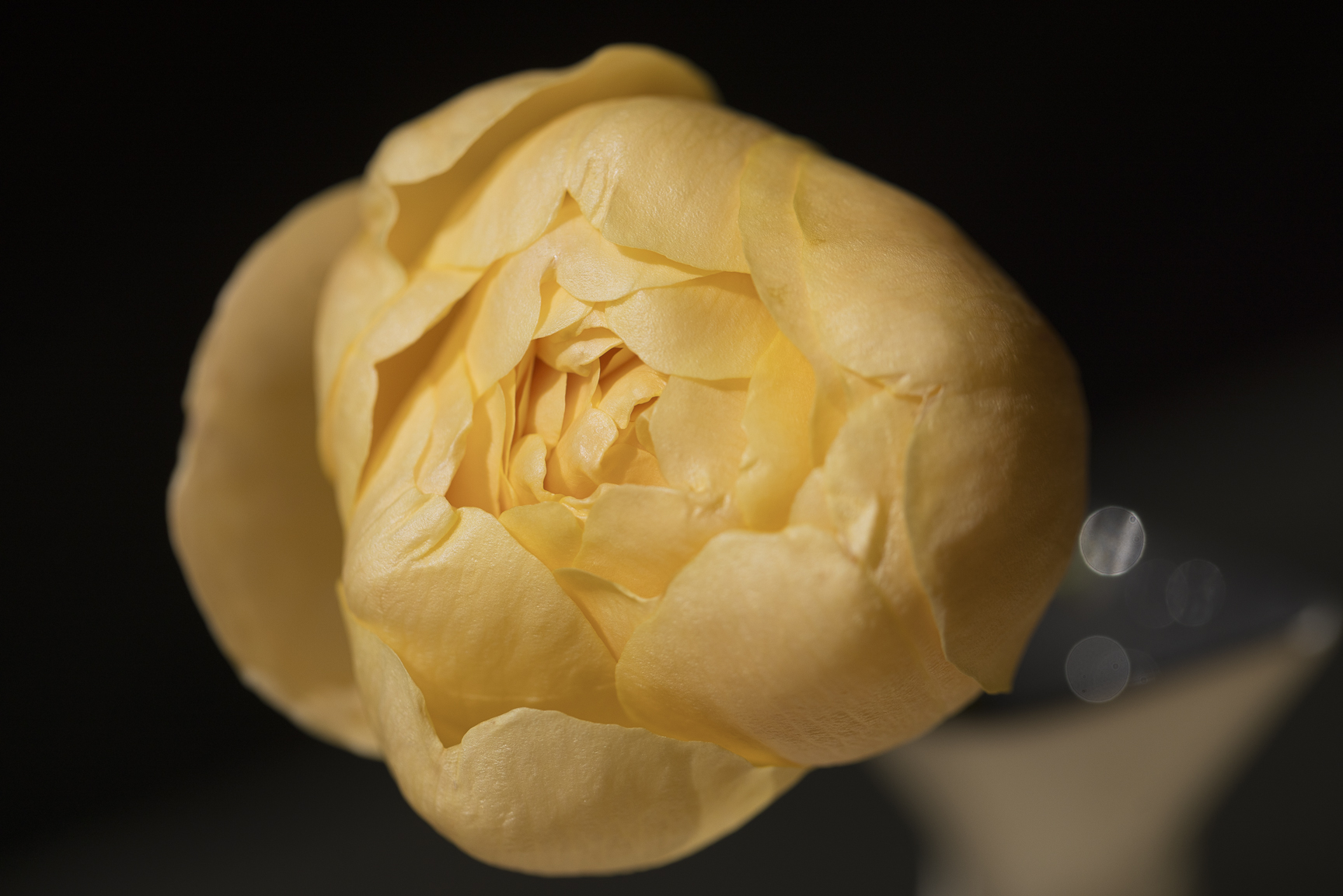
Some more rose poetry for you today. These verses are taken from William Carlos Williams’ famous collection Spring and All (1923) and it is fascinating to me that all of the poetry I’ve included in these posts date from the first couple of decades of the twentieth century. In poetry, this was a time when modernists like Williams felt compelled to, in his words, “make it new”, in rejecting the figurative language and weighty symbolism of the previous century, which had made traditional romantic subjects like love, passion – and roses – seem so clichéd and so tired. Rilke’s response to modernity’s problem of figurative excess is to just run with it, absorbing himself in the plentitude and infinity of the rose, scattering its petals as he goes, celebrating it in verse. H.D, meanwhile, takes an imagist hammer to the rose, smashing it up with simple language, breaking the symbol into an elemental dyad in which the vitality of her wild and hardy sea rose is contrasted to the over-refined stasis of the cultivated variety. William Carlos Williams takes a similar approach, freeing the rose from romantic trappings, and refashioning it as a sort of cubist emblem, a modernist object whose edges and ellipses redefine the space around it.

The rose is obsolete
but each petal ends in
an edge, the double facet
cementing the grooved
columns of air–The edge
cuts without cutting
meets–nothing–renews
itself in metal or porcelain–

whither? It ends–
But if it ends
the start is begun
so that to engage roses
becomes a geometry–
Sharper, neater, more cutting
figured in majolica–
the broken plate
glazed with a rose

Somewhere the sense
makes copper roses
steel roses–
The rose carried weight of love
but love is at an end–of roses

It is at the edge of the
petal that love waits

Crisp, worked to defeat
laboredness–fragile
plucked, moist, half-raised
cold, precise, touching
What
The place between the petal’s
edge and the
From the petal’s edge a line starts
that being of steel
infinitely fine, infinitely
rigid penetrates
the Milky Way
without contact–lifting
from it–neither hanging
nor pushing–
The fragility of the flower
unbruised
penetrates space

From William Carlos Williams, Spring and All (1923). The rose in these images is “Dannahue”


Leave a Reply