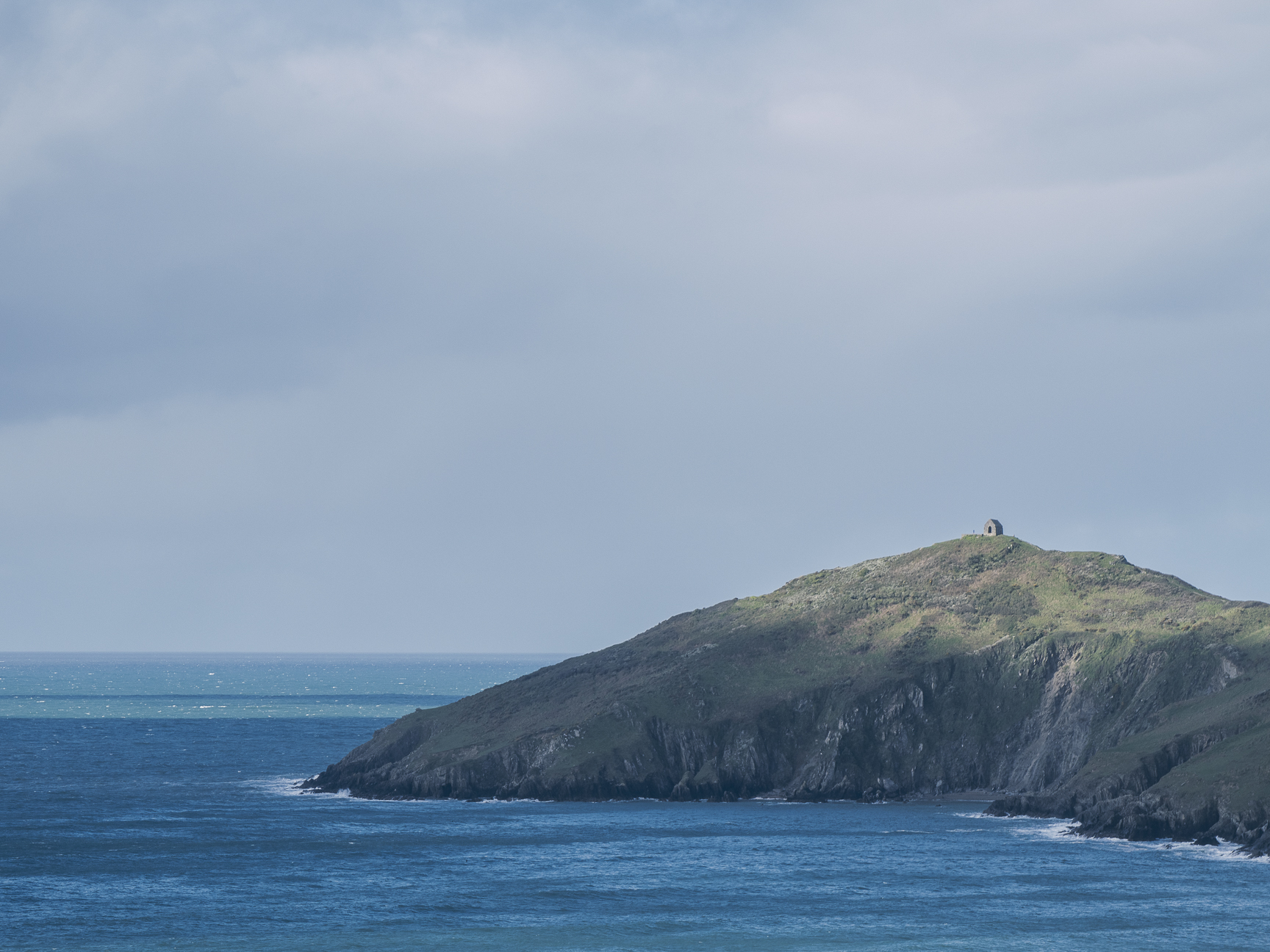

Hello! We are home after a short break in south-east Cornwall: a beautiful part of the world which neither Tom nor I had visited before.

We enjoyed some lovely spring weather and several long days of great walking, along different sections of the south-west coastal path.

I became slightly obsessed with Cornish Hedges – the distinctively-constructed boundary markers which define – and divide up this beautiful, rolling landscape.

Part earthwork, part wall, part organic boundary, the earliest Cornish hedges are Neolithic. Edging the vast majority of the small byways of South East Cornwall (and even some larger A roads), they lend the landscape that very distinctive, hobbity feel you can get when traversing ancient British byways (especially when you are on foot). For more than 6000 years these wonderful structures have told the long historical story of this landscape, from Iron age forts, through medieval common land and field-strip systems, to the privatisation of the landscape during nineteenth-century enclosure.

Cornish hedges reveal great regional variation and specificity in their construction patterns and geological composition . . .

. . .while also forming wonderful habitats . . .

. . . for plants and other wildlife . . .

While I was able to indulge my new hedge obsession on every walk, there were also glorious wild and windy landscapes for my companions to enjoy.

. . . and although a dog-related medical emergency necessitated a somewhat urgent and epic drive home (Cornwall to Kintyre in a one-er is quite something) we all enjoyed the break.

We are now back at our desks, and waiting for the publication of Knitting Wester Ross: I’ll hopefully have news for you about that this week (hurrah!)


Leave a Reply to Laura Wickstead Cancel reply